Part One: Pre-Operation Preparation and Inspection
I. Pre-Start Equipment Inspection
External Integrity Confirmation
Inspect the frame, mast, and overhead guard for any obvious damage
Confirm reflective markings and safety warning signs are intact and clear
Check the vehicle body for oil stains and debris
Core Component Condition Confirmation
Tire Inspection: For pneumatic tires, confirm normal pressure; for solid tires, check for wear.
Forks and Attachments:Confirm no cracks or deformation; surfaces should be smooth and free of burrs.
Chains and Pulleys: Check lubrication and wear.
II. Safety System Functional Testing
Electrical System Self-Test
Observe after power is connected Instrument panel indicator light status
Test lighting system (headlights, taillights, hazard lights)
Check horn, reversing buzzer, and other audible and visual alarm devices
Handling performance verification
Parking brake test: Verify braking effect on a flat surface
Service brake test: Test braking response at low speeds
Emergency stop button: Verify the sensitivity and effectiveness of the response
Part Two: Standard Driving Operation Techniques
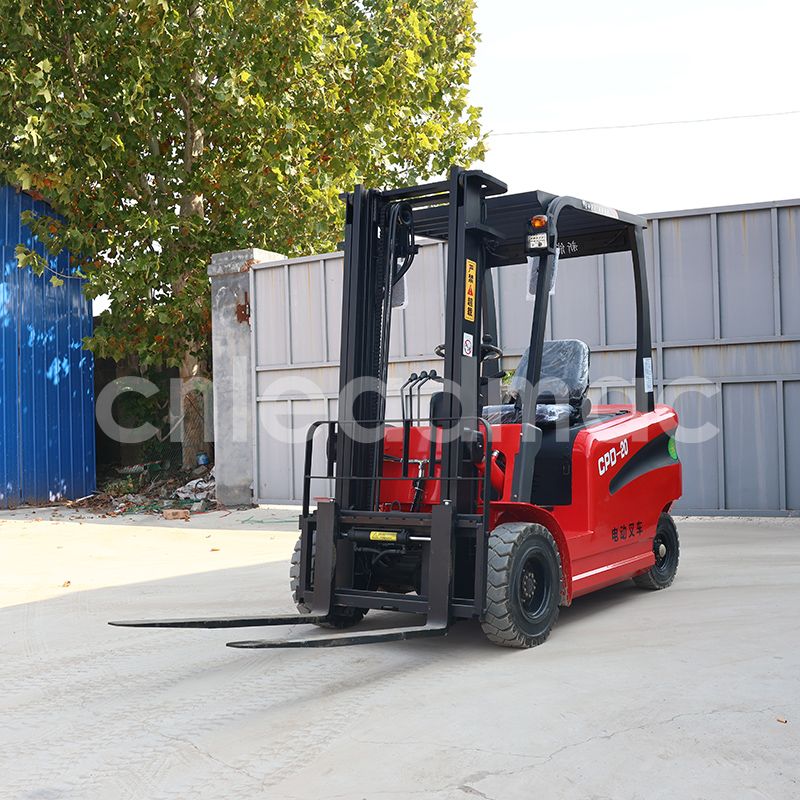
I. Basic Driving Principles
Starting and Driving Control
Accelerate slowly when starting, avoiding sudden acceleration and braking
Keep the driving speed within the factory area below 10 km/h
Keep the forks off the ground Safe Height: 15-20cm
Driving Precautions
Maintain a sufficient safe distance from the vehicle in front (3 times the vehicle length recommended).
Reduce speed to below 5km/h when turning and activate turn signals in advance.
Consider your surroundings constantly, paying attention to blind spots.
II. Special Operating Conditions
Slope Operation Procedures
Proceed forward uphill, reverse downhill, maintain a straight line.
Turning, turning, or stopping on slopes is strictly prohibited.
Use the slow-down function when descending a heavily loaded slope.
Complex Environment Handling
Narrow Passages: Confirm passage space, provide guidance if necessary.
Wet/Slippery Roads: Reduce speed and avoid emergency braking. Intersections: Stop, observe, and proceed only after confirming safety.
Part Three: Loading and Unloading Operation Standards
I. Cargo Handling Process
Standard Picking Procedures
Adjust fork spacing to match cargo size
Approach the cargo slowly and accurately insert the pallet
Lift the cargo to a safe height off the ground before moving it
Stacking Operation Standards
Confirm the stacking area is level and has sufficient space
When stacking, lift the cargo to more than 30cm above the rack before moving it horizontally
When placing cargo, lower it first and then tilt it to ensure stability
II. Special Cargo Handling
Non-standard Dimension Cargo
Extra-long cargo requires additional securing Fixed
For oversized cargo, ensure sufficient aisle width.
For oversized cargo, someone must guide it during transport.
Special Properties of Cargo
Fragile Items: Handle with care, avoid vibration.
Liquid Containers: Confirm sealing, drive at a constant speed.
Irregular Cargo: Use special attachments or auxiliary securing.
Part Four: Equipment Maintenance and Care
I. Energy Management Standards
Battery Charging Procedure
Operate in the designated charging area, ensuring good ventilation.
Charge according to the instructions.
Check the connection status after charging.
Daily Maintenance Points
Clean the vehicle body and working device after operation.
Fixed Regularly check hydraulic oil level and quality.
Perform lubrication maintenance at all lubrication points according to plan.
II. Preventive Maintenance Plan
Daily: Cleaning, basic inspection
Weekly: Fastener inspection, functional testing
Monthly: Comprehensive inspection, performance evaluation
Quarterly: Professional maintenance, component replacement
Part Five: Safety and Emergency Management
I. Prohibited Behaviors
Prohibited: Overloading
Prohibited: Carrying non-operating personnel
Prohibited: Using mobile phones while in motion
Prohibited: Forcing operation when equipment is malfunctioning
Prohibited: Unauthorized operation
II. Emergency Response
Equipment Failure Response Immediately stop work and activate warning devices.
Bring equipment to a safe location and ensure it is securely stopped.
Notify professional maintenance personnel for handling.
Emergency Accident Handling
Personal Injury: Immediately cut off power and administer first aid.
Cargo Collapse: Establish a warning zone and clean up in an orderly manner.
Electrical Accident: Cut off the main power supply and report the incident.
III. Personnel Safety Management
Operator Requirements
Hold a valid operating certificate to work.
Wear personal protective equipment correctly while working.
Maintain good physical condition; do not work while ill.
On-site Personnel Management
Non-operating personnel should maintain a safe distance.
Establish a clearly marked work warning zone. Domain
Equip with necessary on-site safety supervisors
Part Six: Handover and Record Management
I. Shift Handover System
Handover Content Requirements
Equipment operating status and remaining power
Problems found during the shift and their handling
Completed maintenance work and follow-up suggestions
Standardized handover process
Both parties jointly inspect the equipment status
Fill out the handover record and sign for confirmation
Important matters should be verbally confirmed.
II. Record and File Management
Daily recording of equipment operation logs
Timely archiving of maintenance records
Detailed preservation of fault handling records
Complete retention of training and assessment records.
 SDLD Shandong Leadmac Forklift
 Shandong Leadmac SDLD Forklift
 LEAD Forklift News – Electric,
 What Is The Maximum Weight Of