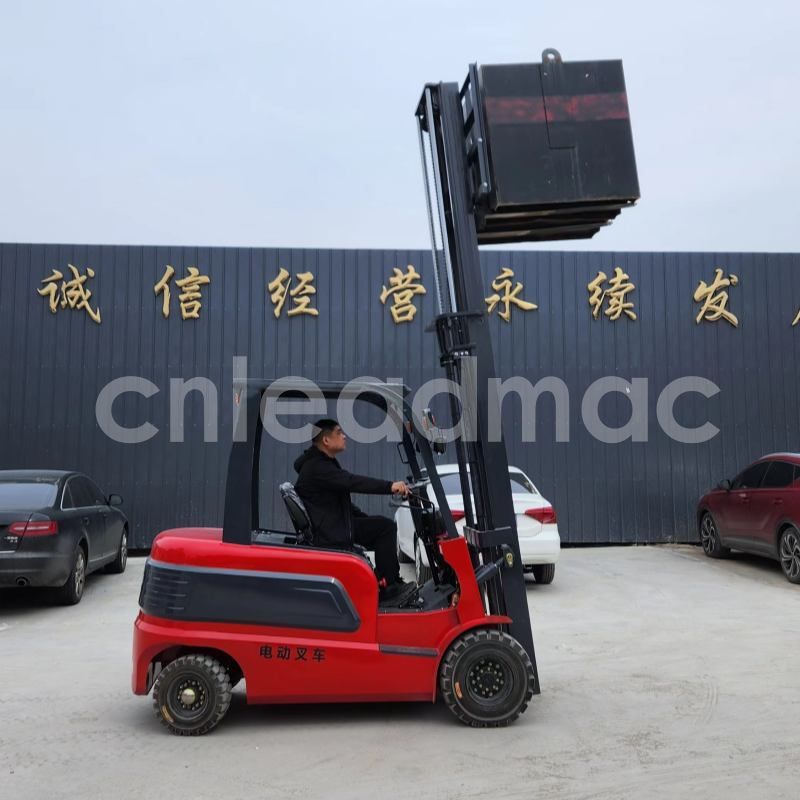
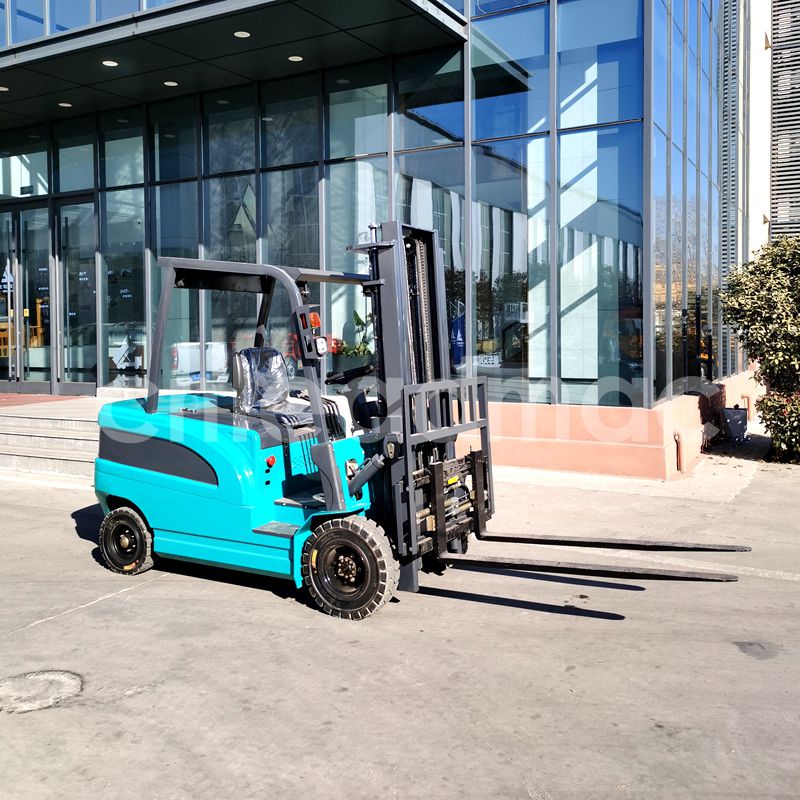
One of the biggest concerns for electric forklift users is battery life. LEAD recently conducted a range test on its LD series electric forklifts to verify real-world endurance.
The test simulated a high-intensity logistics center environment. The LD-30 model — a 3-ton electric forklift — performed loading, unloading, stacking, and transport tasks continuously. After 8 hours of uninterrupted operation, the machine still had enough power to continue working.
The LD series uses a BMS lithium battery management system that monitors voltage, temperature, and charge status in real time. The system prevents overcharging, over-discharging, and short circuits, which extends battery life and improves reliability .
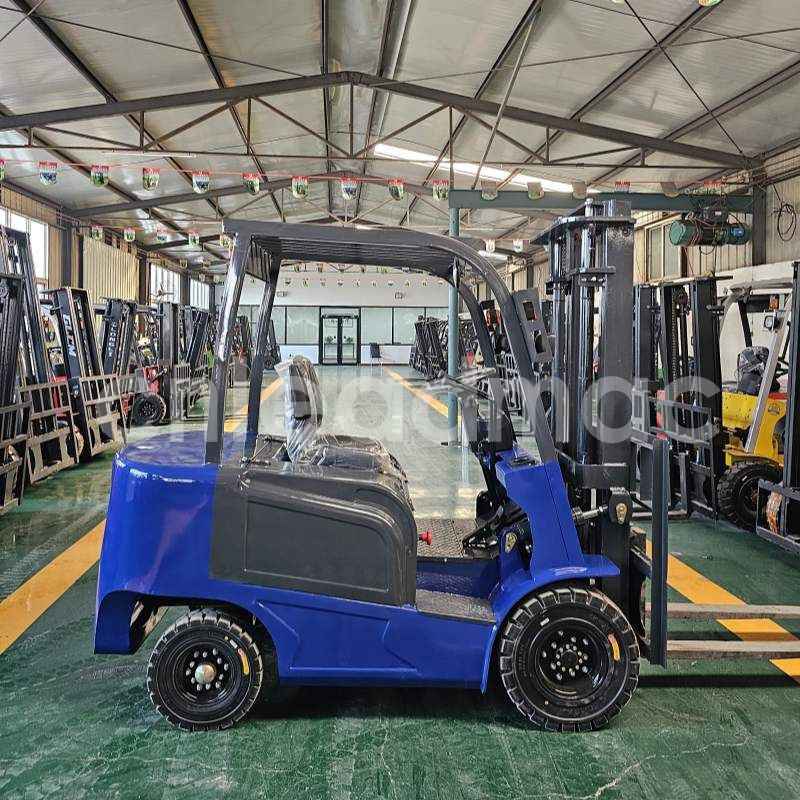
For operations that still require internal combustion power, LEAD has released the LD-D30 diesel forklift. This model combines diesel power with efficiency improvements aimed at reducing emissions and fuel consumption.
The LD-D30 is suited for outdoor and heavy-duty applications where electric forklifts are less practical. It is built with a focus on durability and ease of maintenance, making it a reliable option for warehouses, construction sites, and industrial facilities.
Rough terrain forklifts are designed for construction sites, lumber yards, and outdoor material handling. LEAD's new 3.5-ton model is built with reinforced tires and a robust chassis to handle uneven ground and heavy loads.
This model is available in multiple configurations, including 3-ton, 3.5-ton, and 5-ton variants, depending on the application . Features include:
Heavy-duty tires for off-road traction
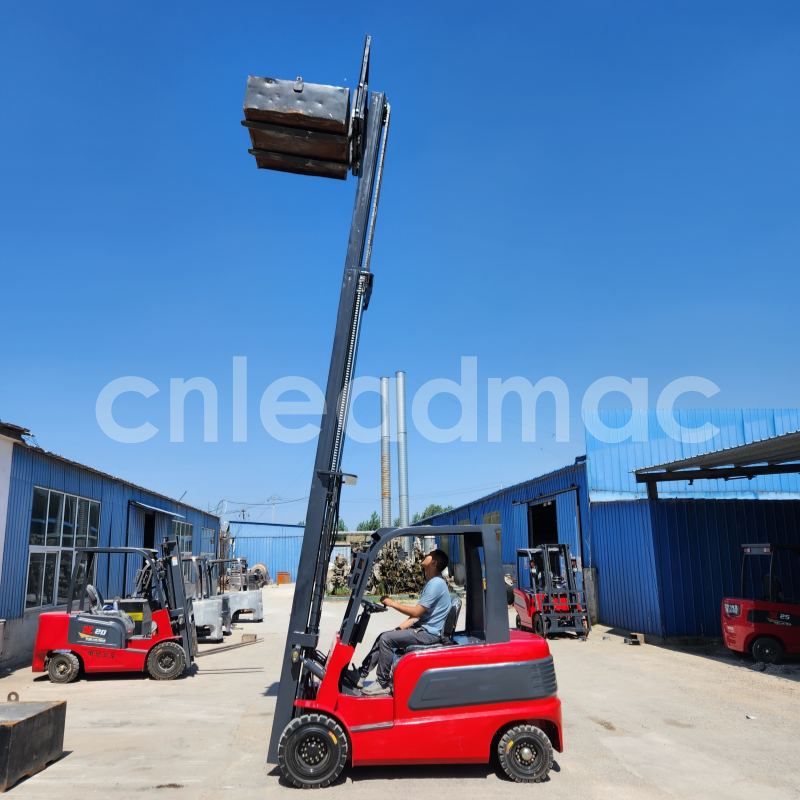
Strengthened mast for stability at height
Multiple mast stage options
Customizable forks and attachments
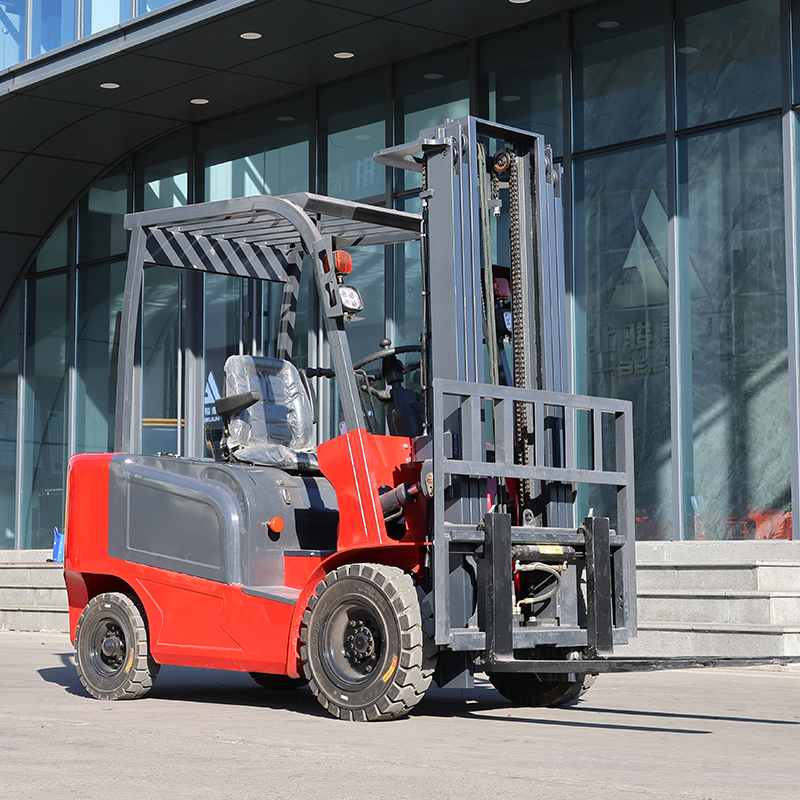
Beyond logistics and construction, LEAD forklifts are also used in e-commerce warehousing. A large e-commerce distribution center introduced LEAD electric forklifts with predictive maintenance features to reduce downtime.
The system includes sensors that monitor motor temperature, battery health, and hydraulic pressure. Alerts are sent through a cloud-based platform when issues are detected. In one case, the system warned of a bearing failure 48 hours in advance, preventing an unexpected shutdown .
While lead-acid batteries remain a common choice for light to medium-duty operations, lithium-ion batteries are gaining ground. Industry data shows that lithium batteries offer faster charging, less maintenance, and longer service life.
However, lead-acid batteries still make sense for low-usage applications where upfront cost is a primary concern. The choice between the two depends on shift length, charging infrastructure, and operating environment .
LEAD forklifts are exported to Europe, Southeast Asia, the Middle East, Africa, and South America. The brand holds CE certification for overseas deployment and has a presence in markets like Japan, where automated AGVs have been successfully deployed.
For buyers looking for cost-effective material handling equipment, LEAD offers a range of options from compact electric forklifts to heavy-duty diesel and rough terrain models.
 SDLD Forklifts Ride China Expo
 SDLD Shandong Leadmac Forklift
Shandong Leadmac SDLD Forklift
SDLD Shandong Leadmac Forklift
Shandong Leadmac SDLD Forklift
 LEAD Forklift News – Electric,