For warehouse and logistics managers, the choice of forklift battery affects not only daily operational efficiency but also the cost structure for years to come. This article breaks down the pros and cons of lead-acid versus
lithium-ion batteries to help you make an informed decision.
As electric forklifts become increasingly common, selecting the right battery—the "heart" of the vehicle—has become a critical decision for fleet managers. Traditional lead-acid batteries and rapidly emerging lithium-ion
batteries each offer distinct advantages. Although lead-acid batteries still power approximately 40.7% of electric forklifts today, the adoption of lithium-ion batteries is gaining unstoppable momentum. Which type is best
suited for your operations? We analyze this across several key dimensions below.
I. Initial Investment: The "Reality Check" on Budget
The upfront cost of lithium-ion batteries is typically two to three times that of lead-acid batteries. Taking a 48V system as an example, lead-acid batteries range from $4,000 to $10,000, whereas equivalent lithium-ion
batteries can cost between $12,000 and $20,000.
In short: If your budget is tight and minimizing initial investment is the priority, lead-acid batteries are the more realistic choice. However, keep in mind that this represents only the "price of admission."
II. Service Life and Total Cost of Ownership (TCO): A Win for the Long Term
This is where the difference between the two is most pronounced:
Comparison DimensionLead-Acid BatteryLithium-Ion Battery (LiFePO₄)
Cycle Life1,000 – 1,500 cycles2,000 – 5,000+ cycles
Service LifeApprox. 3 – 5 yearsApprox. 5 – 10 years (up to 10–12 years in some cases)
5-Year TCO ComparisonHigher (includes multiple replacements and maintenance)30–50% lower (in high-frequency usage scenarios)
Although the "entry ticket" for lithium-ion batteries is pricier, their exceptional longevity means that lead-acid batteries might need to be replaced two or three times over a 10-year operational cycle. When calculated
comprehensively, the total cost of ownership for lithium-ion batteries is actually lower, with a return on investment (ROI) typically achieved within two to three years.
III. Maintenance Requirements: From "Weekly Chore" to "Virtually Maintenance-Free"
Lead-acid batteries: "Labor-intensive." They require weekly distilled water replenishment, periodic equalization charging, terminal cleaning to prevent corrosion, and management of acid leakage risks. Additionally,
they generate hydrogen gas during charging, necessitating a dedicated, well-ventilated charging room—hidden costs that cannot be overlooked.
Lithium batteries: Virtually maintenance-free. Their sealed design eliminates the need for water refilling, while the built-in Battery Management System (BMS) automatically monitors cell status, balances voltage,
and prevents overcharging or over-discharging, thereby saving significant labor and mitigating safety risks.
IV. Charging Efficiency and Operational Flexibility
Comparison DimensionLead-acid BatteryLithium Battery
Charging Time8–12 hours (+6–8 hours cooling)1–2 hours
Opportunity ChargingNot supported (reduces lifespan)Fully supported (top-up during breaks)
Energy EfficiencyApprox. 70–80%Approx. 85–99%
The rapid and opportunity charging capabilities of lithium batteries make them ideal for multi-shift or 24/7 continuous operations. A single lithium-powered forklift can operate across multiple shifts without the need for
spare battery packs or the time-consuming manual battery swaps required by lead-acid systems. In contrast, the 16-hour charge-plus-cool cycle of lead-acid batteries acts as a major constraint on operational efficiency.
V. Decision Guide: Which is Right for Your Operation?
Choose lead-acid batteries if:
Your operation runs on a single shift with limited daily usage (e.g., under 4 hours).
Your initial budget is extremely tight, and you are willing to accept higher long-term maintenance costs.
You already possess established infrastructure for lead-acid battery charging and maintenance.
Choose lithium batteries if:
Your operation involves multiple shifts or 24-hour continuous work, and you prioritize maximum equipment uptime.
You wish to significantly reduce maintenance efforts and the long-term Total Cost of Ownership (TCO).
You desire greater spatial flexibility and wish to avoid the investment of building a dedicated, ventilated charging room.
You prioritize environmental sustainability and safety, aiming to eliminate risks associated with acid leakage and harmful gas emissions.
Conclusion
The choice between lead-acid and lithium batteries is essentially a trade-off between short-term budget constraints and long-term value. Traditional lead-acid batteries retain a place in certain applications due to their
lower upfront costs; however, lithium batteries are emerging as the preferred choice for future-oriented operations, thanks to their superior performance, minimal maintenance requirements, and significant advantages
in total cost of ownership. We recommend conducting a comprehensive assessment based on your operational intensity, financial situation, and development plans to make the decision best suited to your fleet.
 SDLD Shandong Leadmac Forklift
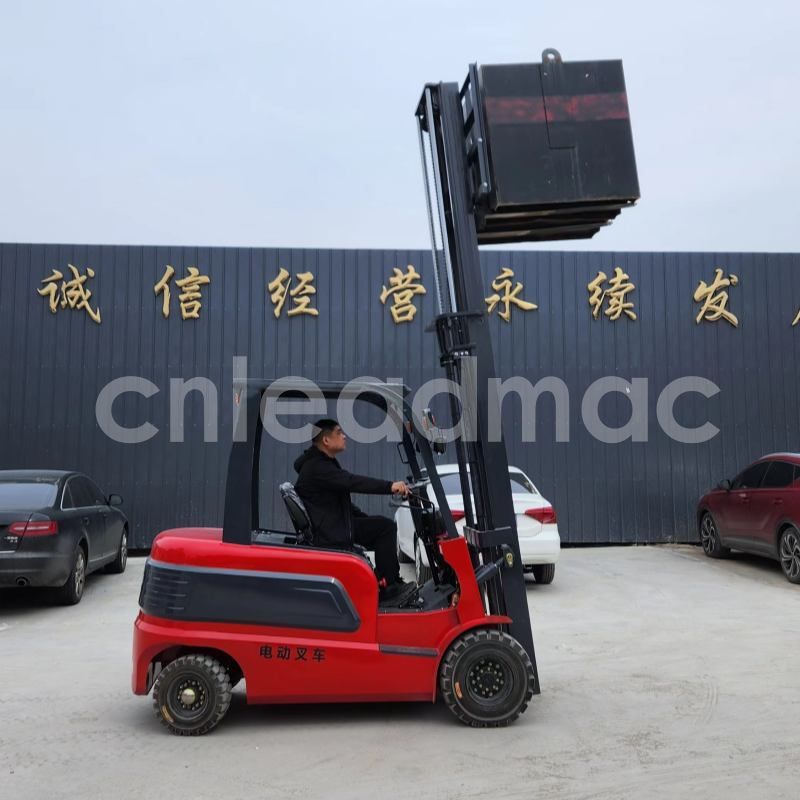 Shandong Leadmac SDLD Forklift
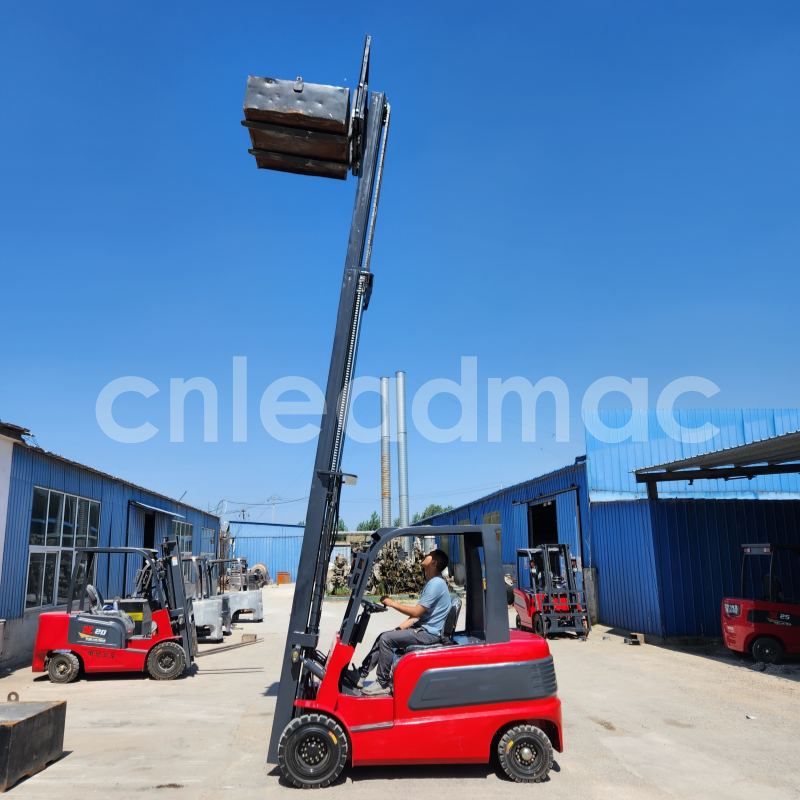 LEAD Forklift News – Electric,
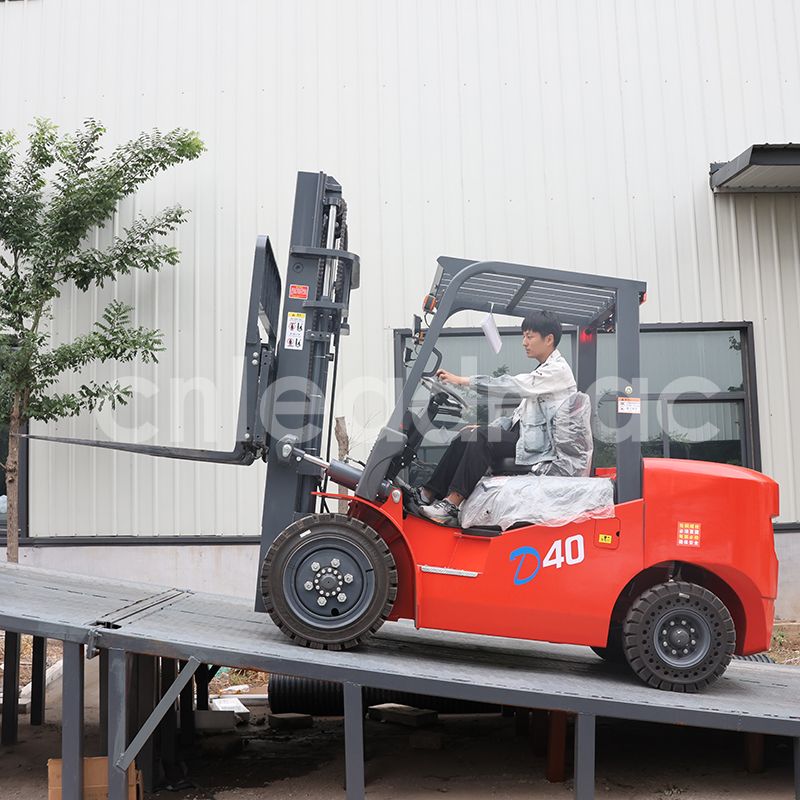 What Is The Maximum Weight Of